
Modern vs Ayurvedic Medicine: What’s Better for You?

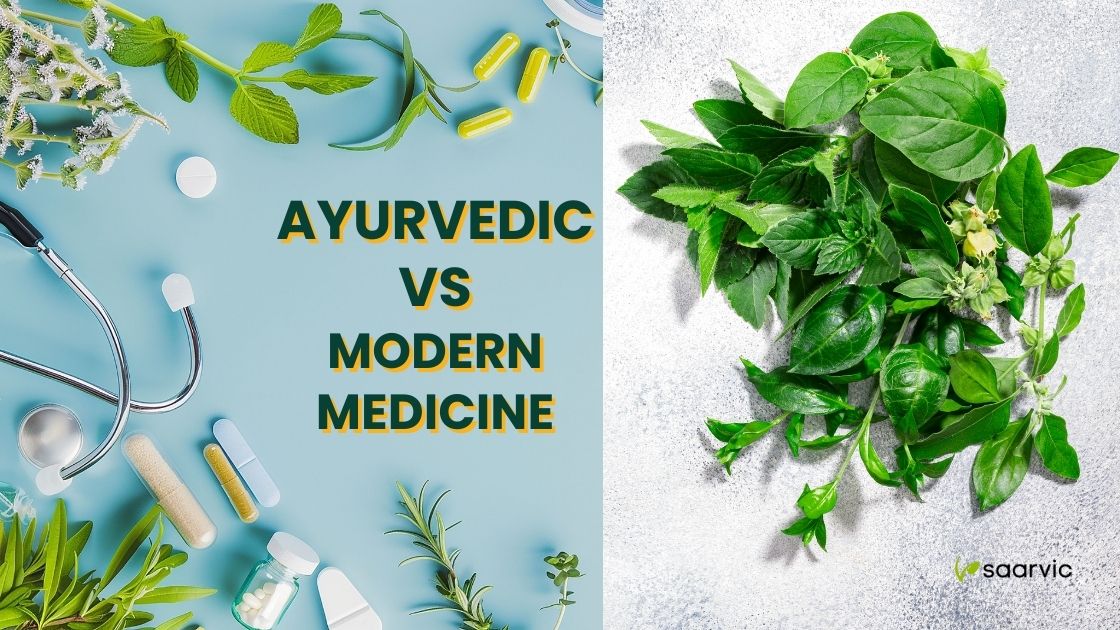
Two Paths to Wellness
When it comes to health and healing, today’s world offers more choices than ever before. On one hand, there’s modern medicine – rooted in advanced diagnostics, surgical precision, and pharmaceutical drugs. On the other, there’s Ayurveda – an ancient Indian system that focuses on balancing mind, body, and spirit through diet, herbs, and natural therapies.
But which one is better? Should you trust age-old wisdom or cutting-edge science? In this comprehensive guide, we break down the key differences in the debate of Ayurvedic vs modern medicine to help you make informed, balanced choices for your well-being.
What Is Modern Medicine?
Modern medicine, also known as allopathy or Western medicine, is built on the scientific method. It involves:
- Evidence-based treatment protocols
- Diagnosis through technology (blood tests, imaging, scans)
- Prescription medications
- Surgery and acute care
Modern medicine excels in:
- Emergency treatment (e.g., accidents, heart attacks)
- Infectious diseases
- Organ transplants and critical care
However, it often focuses on symptom relief rather than root-cause healing, and long-term drug use can come with side effects.
What Is Ayurvedic Medicine?
Ayurveda, meaning “science of life,” is a 5,000-year-old holistic system from India. It is based on balancing three energies or doshas:
- Vata (air + ether): governs movement
- Pitta (fire + water): governs digestion and metabolism
- Kapha (earth + water): governs structure and lubrication
Ayurveda emphasizes:
- Personalized healing based on dosha type
- Natural herbs and plant-based remedies
- Detoxification therapies (like Panchakarma)
- Mind-body balance through yoga and meditation
- Seasonal and dosha-based diets
Ayurvedic vs Modern Medicine: Key Differences
- Philosophy and Approach
- Modern Medicine: Focuses on disease and symptoms. Treatments are typically standardized.
- Ayurveda: Focuses on the individual’s constitution and root imbalances. Treatments are highly personalized.
- Diagnosis
- Modern: Based on lab tests, scans, and clinical data.
- Ayurveda: Based on pulse reading, tongue diagnosis, and lifestyle analysis.
- Treatment Methods
- Modern: Prescriptions, surgery, and radiation.
- Ayurveda: Herbs, massage, detox, yoga, dietary adjustments.
- Side Effects
- Modern: Some drugs can have adverse reactions or long-term effects.
- Ayurveda: Generally minimal side effects when prescribed correctly, though misuse can be harmful.
- Prevention vs Cure
- Modern: Focuses more on curing existing conditions.
- Ayurveda: Strongly emphasizes preventive care through lifestyle.
Strengths of Modern Medicine
- Rapid response: Life-threatening conditions are quickly managed.
- Advanced technology: Precise diagnostics and interventions.
- Infectious disease control: Vaccinations, antibiotics, and sterilization have saved millions.
Limitations of Modern Medicine
- Often treats symptoms, not causes
- Expensive and sometimes inaccessible
- Long-term medication side effects
- Limited focus on holistic well-being
Strengths of Ayurvedic Medicine
- Treats the root cause of illness
- Natural and personalized
- Excellent for managing chronic conditions (e.g., arthritis, stress, IBS)
- Enhances immunity and digestion
- Promotes mental, physical, and spiritual harmony
Limitations of Ayurvedic Medicine
- Slower results in acute conditions
- Not suitable for emergencies
- Requires patient commitment and lifestyle change
- Lack of standardization in some herbal formulations
Can Ayurvedic and Modern Medicine Work Together?
Absolutely. This approach is called integrative or complementary medicine. It combines the strengths of both systems for comprehensive health care.
Examples of integration:
- A cancer patient using chemotherapy (modern) and Ashwagandha (Ayurveda) for immunity and stress
- A diabetic patient managing blood sugar with insulin (modern) and Triphala (Ayurveda) for digestion
- Stress management through antidepressants (modern) and meditation with Brahmi (Ayurveda)
This fusion allows patients to benefit from fast-acting treatments and long-term wellness strategies.
What Do Scientific Studies Say?
Many Ayurvedic herbs and practices have been validated by modern research:
- Turmeric (Curcumin): Proven anti-inflammatory and antioxidant
- Ashwagandha: Reduces cortisol and anxiety
- Triphala: Supports digestion and detoxification
- Meditation: Improves mental health, focus, and resilience
However, more large-scale, controlled studies are needed for Ayurveda to be universally accepted in the clinical world.
How to Choose What’s Right for You
Ask yourself:
- Is your condition acute or chronic?
- Do you want symptom relief or root cause healing?
- Are you open to natural lifestyle changes?
- Do you have access to qualified practitioners in both systems?
For best results, consult both a licensed physician and a certified Ayurvedic practitioner. Choose a path that aligns with your values, condition, and comfort level.
Conclusion: Ayurvedic vs Modern Medicine – A Personalized Choice
The debate between Ayurvedic vs modern medicine isn’t about choosing one over the other. It’s about recognizing the strengths and limits of both and making an empowered decision that suits your unique health needs. While modern medicine provides quick, often life-saving solutions, Ayurveda offers a path to long-term balance and vitality.
Instead of seeing them as rivals, consider them as two powerful tools. When used wisely and respectfully, they can together enhance your quality of life.
Ready to explore the best of both worlds? Start your Ayurvedic journey today with personalized wellness tips, expert advice, and natural products tailored to your dosha.